

November 17, 2026

If you are hoping to perform Hajj from Canada, you may be wondering whether there are only a certain number of places available for Canadian pilgrims. The short answer is yes, Hajj quota Canada arrangements are part of the annual pilgrimage system, with country-level allocations and Saudi Arabia’s official booking system helping manage participation. However, an allocation does not guarantee an individual a place.
Knowing how the Hajj quota Canada system works can help you prepare sensibly, follow the correct registration route and avoid misleading promises. This is especially important if you are planning your first Hajj or hoping to travel with family from Toronto or another Canadian city.
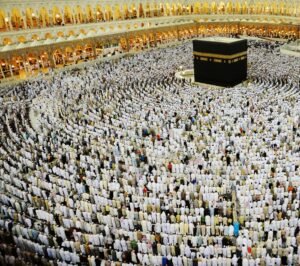
Hajj is organised within a limited period and specific locations, so Saudi Arabia manages the number of pilgrims who can take part each year. Country-level arrangements have traditionally been one way of organising participation from around the world.
It is important, though, not to assume that Canada has one fixed quota that applies every year. Allocations, eligibility arrangements and registration procedures can change from season to season. The process available to Canadian residents should therefore be checked against the latest official instructions, rather than information from a previous Hajj season.
For an individual pilgrim, the more useful question is: which official registration route applies this year, and are there packages available when booking opens?
A country allocation is not a personal reservation. It does not mean that every person who registers will be accepted, receive a visa or secure a package.
A country-level Hajj allocation refers generally to the number of pilgrims a country may be able to send under the arrangements for a particular season. It is part of the wider planning needed to organise accommodation, transport, services and crowd movement.
During Hajj, large numbers of people travel between Makkah, Mina, Arafat and Muzdalifah according to a defined sequence. Accommodation and transport must be coordinated, and services need to be planned around the number of pilgrims expected. Capacity and safety are therefore central to the organisation of the pilgrimage.
No. The registration route can differ depending on the country and the arrangements announced for that year. Some countries have national Hajj authorities or official missions that coordinate applications. Others may be served through Saudi Arabia’s official Nusuk Hajj platform.
Nusuk Hajj is overseen by Saudi Arabia’s Ministry of Hajj and Umrah. It provides access to packages from authorised service providers for countries included in the platform’s annual arrangements. The list of serviced countries and the process should be checked each season.
If you live in Canada, do not rely only on what a friend or relative did in a previous year. Their experience may relate to a different season, nationality or registration route. Check the current instructions directly through the official Nusuk Hajj platform.
The phrase “Hajj quota Canada” can make it sound as though a fixed number of places is simply divided among people who apply. In practice, individual access depends on the official process, eligibility, verification and the packages available for the season.
There are three distinctions worth keeping in mind.
Creating an account or submitting an application is an early step. It does not automatically mean that you have been accepted or that a place has been reserved for you. Nusuk explains that registration alone does not mean Hajj acceptance. Applicants must continue through the relevant stages and follow the official booking instructions.
Even when a booking window is open, not every package or accommodation arrangement will necessarily remain available. Options may differ in duration, hotel arrangements, transport, meals, guidance and the overall itinerary.
A package that suits a couple may not be the best fit for a family with children or an older pilgrim. If you need a particular room arrangement, have mobility considerations or want to travel with relatives, check those details before making a decision.
People travelling together should not assume that one person’s registration covers the whole family. Each pilgrim may need to provide their own information and documents and meet the applicable requirements. Make sure names and passport details are accurate and consistent.
Searches for “limited Hajj spots Canada” often come from people who are worried about missing the opportunity to travel. Limited availability can be a real consideration, but it is useful to understand why it occurs.
Hajj takes place over a defined period, and pilgrims need to be accommodated and transported within a carefully managed system. The number of places offered through a particular package or provider can also be affected by hotel capacity, service arrangements and the type of package.
This means availability is not always as simple as one national number. A specific package may become unavailable while other options remain. A pilgrim looking for a particular hotel category, room type or itinerary may have fewer suitable choices than someone who can be flexible.
Canadian travellers also need to coordinate practical arrangements such as flights, time away from work, school schedules and family responsibilities. Those travelling from Toronto, Vancouver, Calgary, Montreal or elsewhere may have different departure and connection options.
The sensible response is to prepare early without panicking. Be cautious if anyone uses pressure tactics or claims they can guarantee a place in exchange for an immediate payment outside the official process.
The exact Hajj registration phases, opening dates and sequence can change each year. The following is a general guide to the types of steps a pilgrim may encounter when using Nusuk. Always follow the current instructions shown on the official platform.
Do not assume that the dates or stages will be identical to those used in a previous year. Follow updates from the relevant Saudi authorities and Nusuk rather than relying on old screenshots, forwarded messages or unofficial social media posts.
Registering or preparing early does not give you a guaranteed place or special status in the official system. It does, however, give you more time to understand the requirements and deal with practical matters before deadlines.
For example, you may need to renew a passport, correct a document detail or clarify which registration route applies to you. Families may need extra time to organise each traveller’s information and discuss the arrangements that will work for everyone.
Early preparation also gives you time to think beyond the booking itself. Consider how much walking you can comfortably manage, whether an older relative needs additional support and what room arrangements would be practical. If you have specific health or accessibility needs, seek appropriate professional advice and ask the provider how the arrangements are handled.
There is also a spiritual side to preparing for Hajj. First-time pilgrims may benefit from learning the sequence of the rites and attending reliable educational sessions. For personal religious questions, speak with a qualified scholar or the imam leading your group. Scholarly views can differ on some details, so avoid treating informal online comments as a personal ruling.
If you are considering Hajj 2027, Aalia Travels has a Hajj 2027 pre-registration page for people who want to register their interest and receive updates. The agency explains that its pre-registration is free and does not guarantee package availability or a confirmed booking. Official packages are purchased through the applicable Nusuk process.
Use this checklist to organise your preparation while waiting for the official arrangements for your intended season.
The checklist is not a substitute for the current official requirements. It is simply a way to make sure that basic preparations do not become a last-minute source of stress.

People eager to secure a place may be vulnerable to advertisements or messages promising guaranteed access. Be careful with anyone who pressures you to pay immediately, refuses to provide written details or cannot explain how the booking fits into the official process.
Ask what service is being provided, which organisation is responsible for the package and how the official booking and visa steps will be completed. Read the terms carefully and keep written records of what you are told.
The Government of Canada advises Hajj travellers to consult its travel guidance and use reputable, appropriately licensed travel providers. It also directs Canadians to the official Nusuk Hajj platform for the Hajj registration process. You can review the Government of Canada’s Hajj and Umrah travel advice before making arrangements.
A travel agency may help explain travel arrangements, package details and preparation. It should not suggest that it can issue a Hajj visa independently of the official Saudi process or guarantee acceptance.
It can be disappointing if you are unable to book in the season you hoped for. First, check your official account and any further announcements. Do not assume that another place will become available, but follow the instructions provided by the platform.
If you cannot travel that year, you can continue preparing for a future season. Keep your documents in order, follow official updates and use the time to learn more about the rites and practical demands of the journey.
Some people may consider performing Umrah while waiting. Umrah is a separate pilgrimage and has its own visa and travel arrangements. It is not a substitute for Hajj, and an Umrah booking or visa does not give permission to perform Hajj. Check the current Saudi requirements before making plans.
Country-level arrangements have been part of Hajj organisation, but the details and registration routes can change. Check the official arrangements for the specific season rather than relying on an old quota figure.
No. Preparing early can help you meet requirements on time, but it does not guarantee acceptance, package availability, a visa or a confirmed booking.
Availability and final package details depend on the official arrangements and authorised providers for that season. Aalia Travels invites people to register their interest for Hajj 2027, but its pre-registration is not a confirmed booking.
No agency should promise a Hajj visa outside the official Saudi process. Pilgrims must follow the registration, package and visa arrangements that apply to their country and season.
The Hajj quota question is understandable, but the most important point for Canadian pilgrims is to distinguish between a country-level allocation and an individual confirmed place. Availability, eligibility and registration arrangements can change each year, so the official instructions for your intended season should guide your decisions.
Start preparing your documents, follow Nusuk updates, compare package details carefully and avoid anyone promising guaranteed access outside the approved process. A little preparation now can make the next steps clearer when registration and booking become available.
Planning Hajj from Canada? Let Aalia Travels help you prepare. Whether you are considering Hajj for the first time, hoping to travel with your family or looking for guidance about the 2027 arrangements, get in touch with the team. Contact Aalia Travels to discuss your plans, ask about the services available and find out how to stay informed as official details are released.